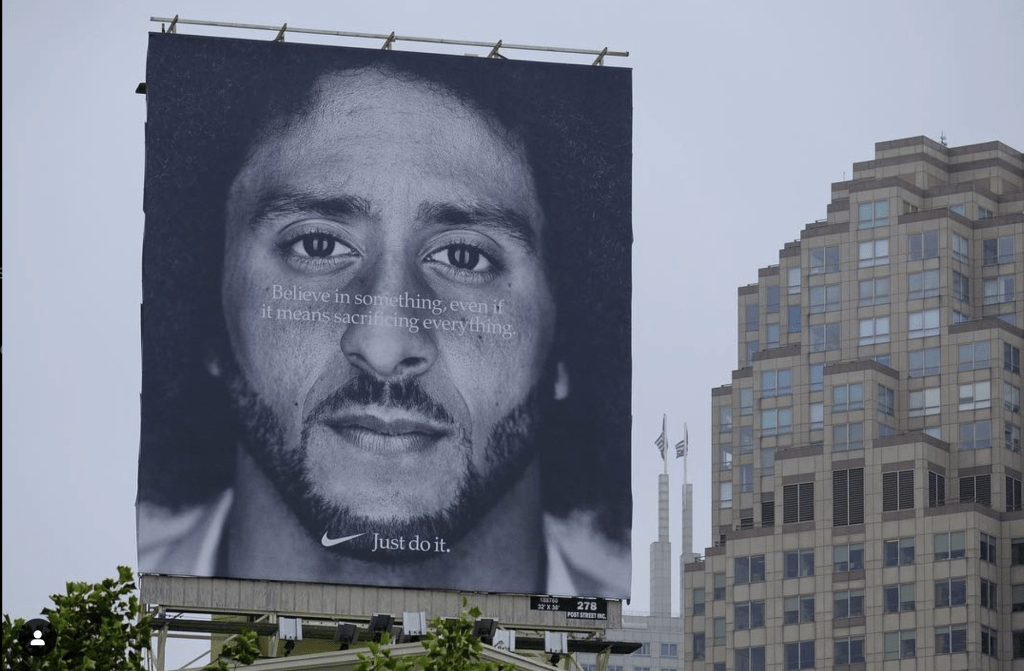
Corporate social responsibility (CSR) is a defining aspect of a brands image, particularly in the world of sports. In this blog, let’s examine one of the biggest sporting goods brands out their, Nike, and their CSR practices as it relates to college football and their reputation overall. Nike’s legacy in social advocacy is significant, but are its actions purely altruistic, or do they serve as strategic branding?
The Good: Nike’s commitment to Social Change
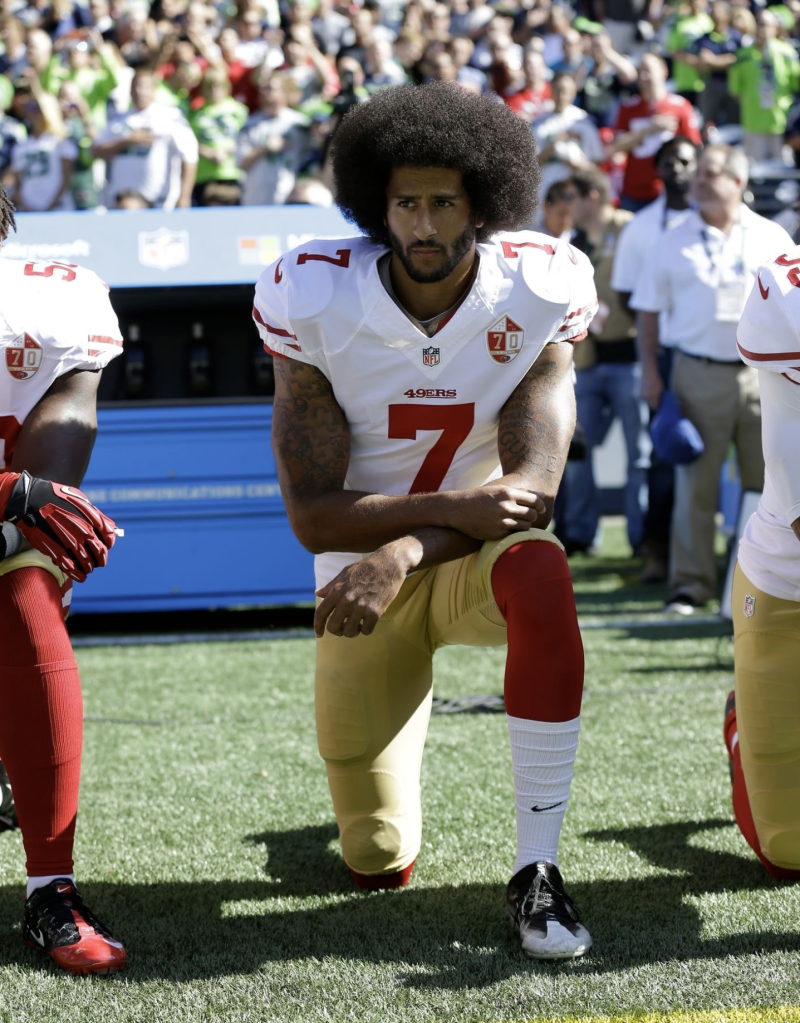
Nike has a history of high-profile social advocacy campaigns that resonate well with both athletes and audiences. The company’s 2018 “Dream Crazy” ad that featured Colin Kaepernick is a prime example. The campaign solidified Nike’s reputation as a bold advocate for social change and athlete empowerment. By extending this ethos into college football, where Nike is a prominent sponsor among the top programs, the brand reinforces the idea that it supports players who use their platforms for positive change.
Nike’s partnerships with collegiate teams give them an influential position to champion social causes relevant to student-athletes. From mental health initiatives to supporting racial equality, Nike’s actions can help foster environments where college players feel empowered to speak up and advocate for change. For example, if a university team associated with Nike engages in protests or speaks out on issues, the brand’s backing can provide an extra layer of legitimacy and support.
The Critique:
While Nike’s CSR campaigns are impressive on the surface, they are not without skepticism. Some people argue that the ads double as strategic branding exercises aimed at bolstering Nike’s image rather than addressing a deep-rooted issue. For instance, the use of social justice themes in advertising might be perceived as performative if it is not accompanied by substantial, long-term community investments or internal policy shifts.
Has Nike’s influence led to concrete changes in college sports? While brand sponsors and supplies gear to numerous NCAA teams, its worth asking if their CSR extends beyond ads and statements. Is Nike actually funding mental health programs? Are they creating scholarships for student-athletes in need? I think that showing concrete evidence and sustained investment in these areas would help substantiate their commitment.
Nike’s approach to CSR holds both strengths and challenges. Their advocacy provides a strong, resonant message that aligns with the values of many fans and players. However, to maintain this positive PR and avoid accusations of performative activism, Nike should continue providing their commitment through consistent and meaningful action. This would solidify Nike as a true advocate for change.
To learn more about Nike’s CSR efforts and their impact on college athletics, check out their initiatives on Nike’s website .
 Reece Judish
Leave a comment